

World Arthritis Day is an opportunity to promote greater understanding of arthritis and its effect on everyday life. Arthritis is not a single disease but a broad term for more than one hundred conditions involving the joints and surrounding tissues. Osteoarthritis, which develops as cartilage and bone change over time, is especially common among older adults.
Common arthritis symptoms include joint pain, swelling, stiffness, and weakness. These symptoms may make it difficult to walk, climb stairs, open containers, or manage other routine activities. Their severity can vary, and they may come and go or gradually worsen. Because joint pain can have several causes, it is important to seek a professional evaluation rather than diagnose yourself.

If you are living with arthritis, follow the treatment plan recommended by your healthcare provider and take medications exactly as directed. Consult your doctor or pharmacist before adding an over-the-counter pain reliever, vitamin, or herbal product, since it may interact with other medications.
Regular, gentle movement can reduce stiffness, strengthen supporting muscles, and improve balance. Low-impact options include walking, swimming, stretching, and chair exercises. A physical or occupational therapist can recommend safe exercises, helpful equipment, and practical ways to simplify household tasks.
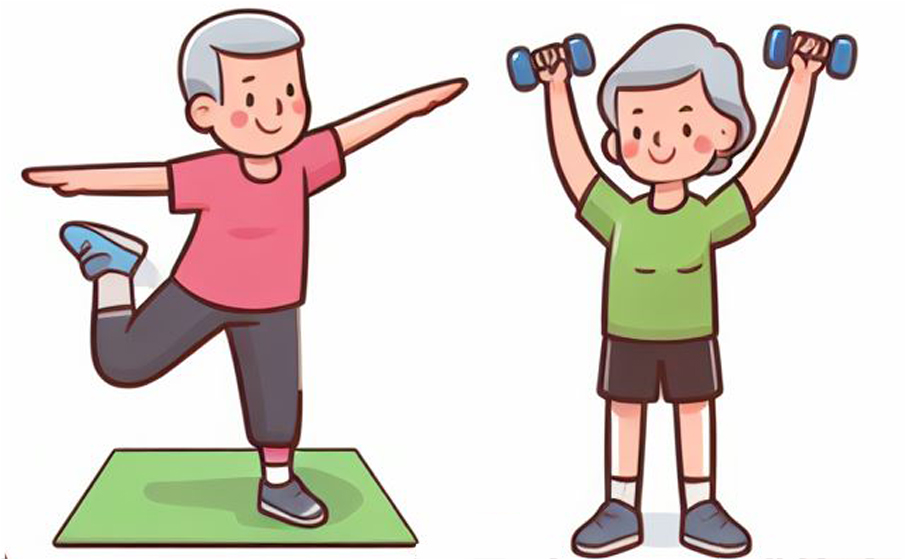
Everyday Tips for Seniors Living with Arthritis
| Plan and pace your day. Alternate activity with short rest breaks and spread demanding tasks throughout the week instead of doing everything at once. Keep moving gently. Choose joint-friendly activities you enjoy, start slowly, and break exercise into shorter sessions when needed. Make everyday tasks easier. Consider easy-grip utensils, jar openers, shower grab bars, or other assistive devices recommended by an occupational therapist. Prepare for symptom changes. Keep frequently used items within easy reach and plan lighter activities for days when pain, stiffness, or fatigue increases. Track what helps. Note activities, symptoms, sleep, and treatments so you can recognize patterns and share useful details with your healthcare provider. Know when to seek help. Contact your healthcare provider about new or worsening swelling, redness, severe pain, fever, or a sudden loss of movement or function. |

Although arthritis may require adjustments, it does not have to prevent a fulfilling and active life. Stay connected with family and friends, request assistance when needed, and set realistic goals. Consistent, manageable steps can help preserve independence, support mobility, and improve everyday comfort.